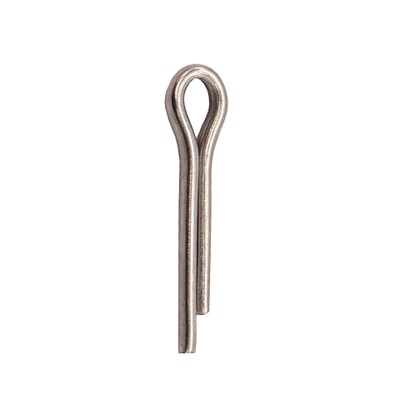
The Power of the Split Cotter Pin: Key Applications across Industries
A split cotter pin (often just called a cotter pin or cotter key) is one of the simplest yet most critical fasteners in mechanical engineering. This dual-tine metal pin is inserted through a hole and bent at the ends to lock components securely in place. By acting as a safety fallback, it prevents vibrating or rotating parts from vibrating loose.
From heavy machinery to everyday items, here is a look at the diverse applications of split cotter pins.
🔩 Automotive and Aerospace Systems
In environments defined by high vibration and constant motion, split cotter pins provide vital secondary locking security.
- Castellated Nuts and Clevis Pins: They are most famously paired with castellated (slotted) nuts on wheel bearings, steering linkages, and tie-rod ends. The pin passes through the bolt and slots, ensuring the nut cannot back off.
- Brake Systems: Used to secure brake actuation rods and pivot pins in both automotive and aircraft braking assemblies.
- Control Rods: In aircraft, they secure the mechanical linkages connecting cockpit controls to flaps, rudders, and elevators.
🚜 Heavy Machinery and Agriculture
Industrial and agricultural equipment operates under extreme stress, dirt, and mechanical shock, making reliable fasteners essential.
- Tractor Hitches: Split cotter pins lock hitch pins and linchpins in place, ensuring trailers and tilled implements remain attached to the tractor.
- Conveyor Systems: They secure the pivot shafts and rollers on large industrial conveyor belts.
- Construction Equipment: Found in the high-stress pivot joints of excavators, cranes, and dump trucks.
⛵ Marine and Maritime Uses
Because boats and ships face constant wave impact and corrosive salt water, they rely heavily on mechanical locking. Note: Marine applications strictly require stainless steel or brass cotter pins to prevent rust.
- Sailboat Rigging: Used to lock turnbuckles, clevis pins, and stay wires that keep the mast upright.
- Propeller Shafts: Secure the large retaining nuts on boat propellers to keep them from spinning off in reverse gear.
- Anchor Shackles: Prevent the pin of an anchor shackle from backing out underwater.
🚲 Consumer Goods and Everyday Items
You don’t have to look far to find cotter pins in daily life; they keep many recreational and utility items safe.
- Bicycles: Older bicycle models use cotter pins to lock the crank arms to the bottom bracket axle.
- Lawnmowers: They secure the wheels and height-adjustment linkages to the main chassis.
- Scaffolding: Construction staging uses heavy-duty pins to lock vertical frame segments together safely.
💡 Why Use a Split Cotter Pin?
Engineers continue to choose this low-tech component for several reasons:
- Fail-Safe Security: Even if a nut loses its torque, the cotter pin physically blocks it from falling off.
- Visual Inspection: It is incredibly easy for a mechanic to look at a joint and instantly verify if the pin is installed and bent correctly.
- Low Cost: They are highly affordable to manufacture and easy to install with basic pliers.