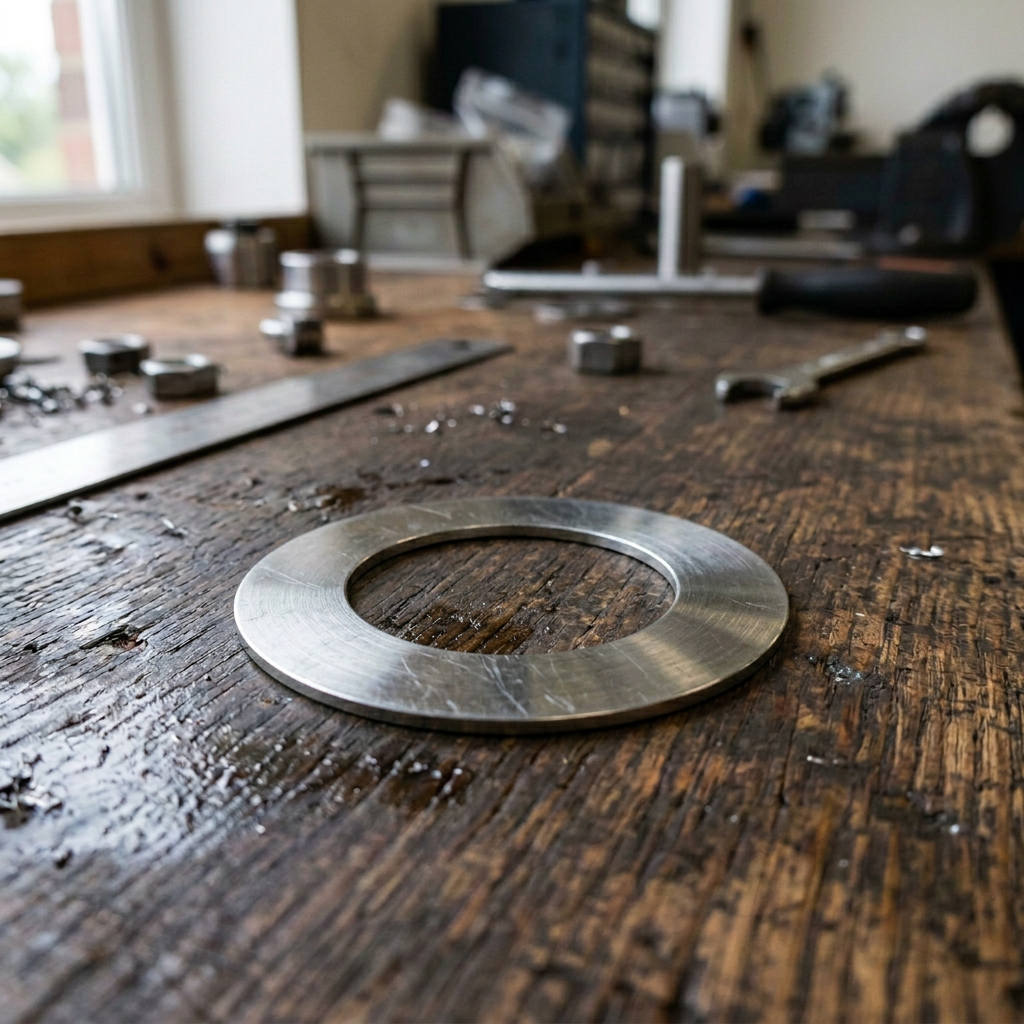
A2 Stainless Steel Shim Washers: Precision, Durability, and Applications
In precision engineering, the smallest components often bear the heaviest responsibilities. Among these, the A2 stainless steel shim washer is a silent hero. Designed to take up microscopic amounts of space, reduce friction, and align mechanical assemblies, these ultra-thin components are vital across industries ranging from automotive manufacturing to aerospace engineering.
Understanding the unique material properties of A2 stainless steel and the mechanical utility of shim washers is essential for selecting the right component for your project.
What is A2 Stainless Steel?
A2 stainless steel, often referred to in industrial settings as Type 304 or 18/8 stainless steel, is an austenitic chromium-nickel alloy. The “18/8” designation comes from its chemical composition, which roughly consists of 18% chromium and 8% nickel.
This specific metallurgical makeup grants A2 stainless steel several distinct advantages:
- Corrosion Resistance: The chromium content forms a passive, self-healing layer of chromium oxide on the surface, protecting the washer from atmospheric corrosion, moisture, and mild organic or inorganic acids.
- Non-Magnetic Properties: In its annealed state, A2 stainless steel is practically non-magnetic, making it ideal for electronic and laboratory equipment where magnetic interference must be avoided.
- Longevity and Strength: It maintains excellent tensile strength and can withstand a wide range of temperatures without degrading, cracking, or losing its structural integrity.
The Role of a Shim Washer
While standard washers are used to distribute the load of a threaded fastener, shim washers serve a highly specialized purpose: precision spacing.
Shim washers are manufactured to incredibly tight tolerances, often available in thicknesses ranging from a mere 0.1mm – 1mm.
- Eliminate Axial Play: In rotating machinery, shafts and bearings often suffer from “end play” or unwanted axial movement. A shim washer fills this microscopic gap, ensuring smooth operation.
- Align Components: They are used to perfectly align gears, pulleys, and structural components to prevent premature wear and tear caused by misalignment.
- Compensate for Manufacturing Tolerances: Even with CNC machining, cumulative manufacturing tolerances (tolerance stack-up) can lead to fitment issues. Shims bridge these gaps cheaply and effectively without requiring custom-machined parts.